
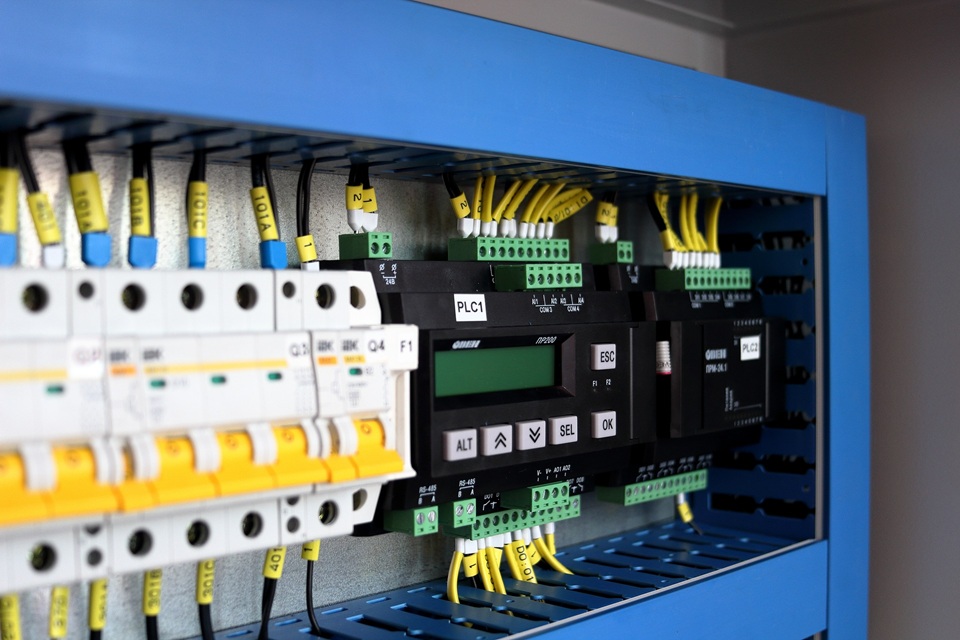
Quality in manufacturing often depends on how reliably a system behaves from cycle to cycle, and programmable logic control plays a significant role in that outcome. RL Consulting PLC programming strategies bring structure, predictability, and oversight to operations that demand steadiness. This approach allows facilities to hold tight tolerances and maintain dependable throughput even as equipment ages or production schedules evolve.
Minimizing Human Errors By Automating Tasks Consistently
Automation reduces the influence of manual timing, judgment calls, and inconsistent operator habits. RL Consulting PLC programming allows repetitive tasks to run through predefined logic, which removes hesitation or variation that can affect quality. Tasks such as rapid indexing, adhesive application, or weight checks become controlled steps that follow precise routines.
Mistakes diminish even further once RL Consulting custom PLC solutions replace paperwork trails or manual resets. Automated verification steps ensure an action is approved before a machine advances, which keeps operators from unintentionally skipping a sequence. This level of structure brings a dependable rhythm that supports both quality and safety.
Maintaining Process Stability Using Precise, Reliable Control Logic
Stable output depends heavily on the repeatability of internal decisions made by the control system. RL Consulting PLC programming company teams design control logic that keeps temperature, feed rates, dwell times, and pressure within narrow windows. That stability produces consistent material characteristics, reliable cycle durations, and predictable results.
The logic also prevents drift by monitoring sensor changes and responding within milliseconds. RL Consulting Rockwell Allen Bradley PLC systems are commonly used to maintain this level of reliability, allowing the process to hold its performance even under fluctuating loads or environmental changes.
Synchronizing Various Components For Smooth & Efficient Operation
Large production lines rely on multiple components moving in harmony to avoid jams or irregular outputs. RL Consulting control system integrators build synchronization routines into PLC logic so conveyors, feeders, cutters, and inspection systems work as one coordinated unit. This keeps individual stations from overrunning or slowing the next.
Different machines often respond at different speeds, so the PLC adapts commands according to each device’s requirements. This balance creates smooth transitions and reduces the hesitation that affects quality or cycle consistency.
Integrating Detailed Diagnostics To Detect Faults Quickly
Accurate diagnostics allow teams to react before small issues cause downtime or scrap. RL Consulting PLC programming embeds detailed fault tracking so operators can see the exact point at which a step fell out of range. The system may log data such as valve response time, motor torque, or temperature overshoot, giving technicians a clear direction for corrective action.
Diagnostic clarity speeds decisions on the floor. Operators no longer guess where a failure originated because the PLC has already highlighted the source. Fast correction keeps quality from sliding during longer runs.
Enabling Proactive Maintenance Scheduling Through System Monitoring
Continuous monitoring offers insight into wear patterns that might otherwise go unnoticed. RL Consulting custom PLC systems can track counts, run hours, vibration levels, or motor load changes to signal an upcoming service need. This early notice supports safe shutdowns and avoids rushed repairs that compromise accuracy.
Facilities benefit by aligning maintenance with production demands. Instead of repairing equipment after quality begins to drift, teams plan intervention at the most efficient time, reducing the impact on deadlines and output consistency.
Implementing Precise Conditions For Processes Like Mixing & Blending
Mixing and blending require exact timing, ingredient levels, agitation speeds, and temperature control. RL Consulting PLC programming ensures these conditions are met before allowing the next phase to start. The PLC checks ratios, verifies tank levels, and controls mixing intensity so results remain uniform across batches.
Manufacturers gain the advantage of repeatable outcomes even with sensitive materials. If a value strays outside limits, the system halts or adjusts before the product is affected, helping maintain steady quality throughout the entire batch.
Creating Clean Separation Between Normal Operation & Fault Conditions
Clear separation between operating and fault states protects both equipment and product quality. RL Consulting control system integrators design PLC logic that distinguishes routine conditions from abnormalities, ensuring the system responds appropriately. Normal sequences run without interruption, while fault states trigger controlled stops, alarm messaging, or lockout steps.
This prevents machines from continuing under unsafe or incorrect conditions. The structure also protects downstream stations from receiving misaligned parts or incomplete operations, which maintains the integrity of the production line.
Ensuring Accuracy & Repeatability Across The Entire Manufacturing Process
Repeatability is often the difference between meeting specifications and producing rework. RL Consulting PLC programming company engineers create systems where measurements, motions, and timing cycles match the same values repeatedly. This precision eliminates variation that would normally show up as product defects.
Consistency stays strong even as production volumes rise or product variations are introduced. RL Consulting supports strategies with systems built for long-term performance and stable quality output.