As global climates continue to evolve, the necessity for innovative and adaptive irrigation methods becomes increasingly crucial. These methods not only enhance agricultural productivity but also ensure water conservation in times of scarcity. With climate change affecting precipitation patterns, temperature fluctuations, and the frequency of extreme weather events, traditional irrigation systems are often inadequate. This article explores the latest advancements in adaptive irrigation technologies that are designed to meet the challenges posed by these changing climates.
The Challenge Of Climate Change
Climate change poses significant challenges to water resources worldwide. Regions that were once abundant in water are now experiencing droughts, while others face flooding and excessive rainfall. These shifts demand a more flexible and responsive approach to irrigation. The key to effective water management lies in understanding these climatic changes and deploying intelligent irrigation systems that can adjust in real-time.
Smart Irrigation Systems
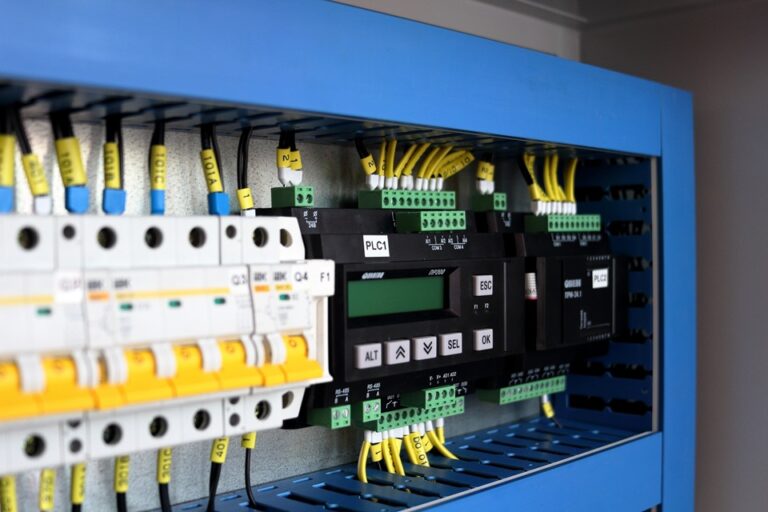
Smart irrigation systems integrate advanced technology such as sensors, weather forecasts, and data analytics to optimize water use. These systems can automatically adjust water delivery based on soil moisture levels, weather conditions, and plant requirements. This not only reduces water waste but also ensures that crops receive the optimal amount of water at the right time.
For instance, soil moisture sensors can detect the dryness level of the soil and trigger irrigation systems only when necessary. Coupled with weather data, these systems can predict upcoming rainfall and adjust watering schedules accordingly. This proactive approach to irrigation helps in conserving water and reducing costs.
Drip Irrigation: A Sustainable Approach
Drip irrigation is increasingly becoming a favored method due to its efficiency and sustainability. Unlike traditional irrigation systems that wet the entire field, drip irrigation delivers water directly to the plant’s roots. This method minimizes evaporation and runoff, making it an ideal solution for arid regions or areas suffering from water scarcity.
Drip irrigation systems are highly customizable and can be tailored to suit specific crop needs. They can be integrated with smart technologies to further enhance their efficiency by adjusting water flow based on real-time data analytics.
Rainwater Harvesting & Reuse
Rainwater harvesting is another adaptive strategy gaining traction. By collecting and storing rainwater, farmers can create a sustainable water supply that reduces dependency on traditional water sources. This method is particularly useful in regions experiencing irregular rainfall patterns.
Once harvested, the water can be treated and used for irrigation purposes, ensuring a reliable water source even during dry spells. This approach not only supports the resilience of agricultural systems but also contributes to the conservation of natural resources.
Conclusion
As climate conditions continue to shift, the adoption of adaptive irrigation solutions is no longer optional but a necessity. By leveraging technology and sustainable practices, farmers and landscapers can ensure efficient water management that meets the demands of both current and future climates. For those looking to implement these solutions in residential or commercial landscapes, professional services can offer expert advice and installation. For instance, you can find Lawn maintenance near me services that specialize in adaptive irrigation systems.
By embracing these innovative irrigation solutions, we can look forward to a future of sustainable agriculture and responsible water use, securing food production and environmental health for generations to come.