
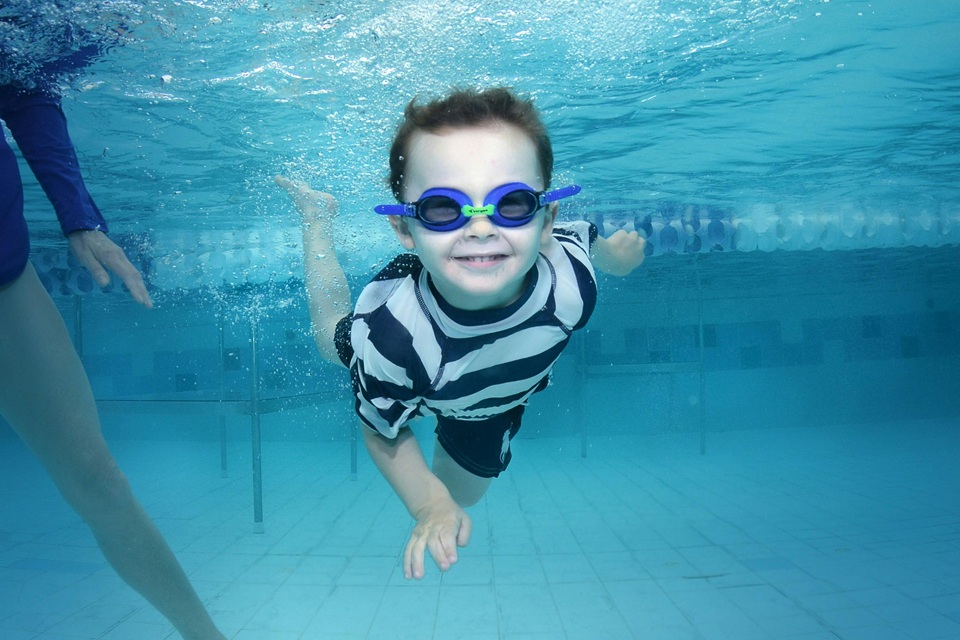
So many parents hesitate before enrolling their little one in swim classes — and that’s understandable. Deciding to bring a baby into a pool raises questions about safety, timing, and what exactly the class will involve.
Are Infant Swim Classes Safe For Babies Who Haven’t Started Walking Yet
Many new parents wonder whether it’s safe to put a pre-walking baby into a pool. Babies younger than six months often lack the head control, coordination, and ability to regulate body temperature needed for aquatic activities — key reasons some health experts advise waiting before introducing infants to public pools.
Programs that accept very young infants stress water comfort and parent-child bonding rather than expecting swimming skills. In qualified infant swimming classes, instructors guide parents on safe handling, and sessions are short to avoid overexposing babies to cold or chlorine.
What Age Is Best For Beginning Weekly Infant Swimming Lessons Near Me
Many learned-to-swim providers recommend starting around six months, when most infants have enough neck strength and body control to begin basic water acclimation.
Some schools — including those with parent-child formats — enroll infants from as early as four months, focusing on gentle water comfort, supported floats, and parent involvement.
How Long Each Infant Swim Class Lasts & What The Structure Looks Like
Infant swim classes typically run for a brief period — often around 20 to 30 minutes — to keep the experience manageable for babies’ sensitivity to temperature and overstimulation. Medical experts recommend keeping pool sessions for infants short to prevent chilling and fatigue.
These classes often follow a parent-and-child model. Activities include gentle supported floating, kicking, blowing bubbles, and simple water play to build familiarity and comfort rather than formal swimming.
What Skills Babies Usually Learn In Early Swim Programs Near Me
At the earliest stages, swimming isn’t about strokes or independent swimming. Instead, babies learn to feel safe and relaxed in water, explore gentle movements, and build early water comfort. Programs often emphasize breath control (such as blowing bubbles), supported floats and kicks, and how to enter and exit the pool safely.
These early movements can help babies adapt to the buoyant environment and begin associating water with calm and support. Over time, repeated exposure can help them respond more calmly in water and reduce panic should they find themselves submerged accidentally (though infants are never considered safe on their own).
How Often Babies Should Attend Swim Classes For Steady Progress
Weekly classes tend to offer the most consistent results for water comfort. Programs designed for infants and toddlers usually run on a weekly basis to allow gradual adaptation to the water environment. Frequent exposure fosters familiarity, helps babies get used to the pool’s temperature and sensations, and reinforces confidence. Irregular attendance can slow progress and make each return feel like starting over — especially for babies still learning to trust the water.
What To Bring To My Baby’s First Swim Lesson At A Local Swim School
Parents should bring a properly fitted swim diaper (or double diaper system), a snug baby swimsuit or rash guard, a towel, and a dry change of clothes. If the pool is cooler, a neoprene infant wetsuit may help keep the baby warm — many infant-class providers recommend warm water and proper swim gear for babies. It also helps to bring comfort items — a favorite toy, a soft washcloth, or even familiar music or sounds — to help the baby feel secure in a new, sometimes overwhelming environment. And parents should plan for a brief session, with readiness to dry off and rewarm their baby right after the class.
How Instructors Handle Nervous Or First-Time Infants In The Water
Skilled instructors begin with gentle, parent-in-water sessions that prioritize trust and comfort rather than performance. They encourage caregivers to hold and reassure infants, guide slow, supportive movements, and avoid pushing babies into anything they resist. This helps babies develop positive associations with water. Rather than expecting immediate progress, experienced swim teachers suggest starting with simple sensory exposure: letting babies float, gently kicking, or just being held close in warm water. Over time, repeated calm experiences build trust, so the infant becomes more relaxed and begins to respond positively — even before any true swimming skills emerge.
At the end of the day, a professional swim school can help guide parents through choosing the right class, ensuring warm water, maintaining small group sizes, and supervising every moment. SafeSplash offers infant swimming lessons in Alexandria, Kingstowne that combine parent-child comfort, gradual water introduction, and infant-specific safety protocols.