
Drywall is a standard feature in homes and buildings, known for creating a seamless, paint-ready surface for walls and ceilings. However, even with its durability, drywall can be vulnerable to a variety of issues over time. Recognizing what contributes to drywall damage and knowing the appropriate solutions can help homeowners maintain their property’s appearance and functionality. For those needing prompt solutions, this drywall repair resource provides further details about professional help.
Being proactive about drywall maintenance is important for extending the lifespan of your home’s interior. Understanding the risks and remedies not only saves money on future repairs but also helps ensure a healthy and pleasing living space.
Various repair solutions exist for different issues, but it is always best to assess the extent of the problem before taking action. In severe cases, consulting drywall repair contractors can ensure your repairs are tailored to your needs and completed correctly.
Everyday Wear & Tear
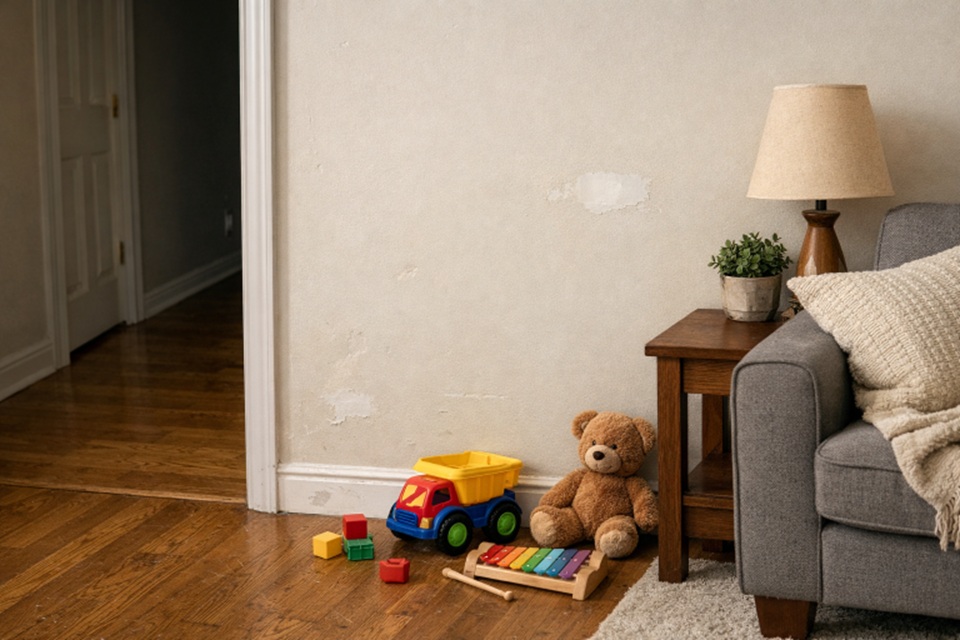
Normal, daily activities are a common source of minor drywall damage. Moving furniture, hanging decorations, or the accidental bump from toys and equipment can all result in dents, scratches, and small holes. These marks may be minor individually, but over time, their accumulation can make interior spaces appear worn. Patching these areas promptly, followed by sanding and repainting, helps maintain a well-cared-for look. Guidance on cosmetic repairs can be found at Realtor.com, a widely trusted home improvement resource.
For homeowners with busy households or children, drywall damage from daily wear and tear may be more frequent. Using furniture guards and corner protectors in high-traffic areas can significantly reduce the likelihood of repeated scuffs and small holes, which often occur near entryways, hallways, and play areas. In addition, establishing “no shoes” zones and discouraging rough play close to walls can limit unintentional impacts. Over time, these simple measures will add up to less repair work and longer-lasting, attractive drywall.
Water Damage
Water exposure remains a significant risk for any drywall structure. Issues such as leaking pipes, overflowing appliances, or roof leaks can lead to staining, warping, and breakdown of the drywall material. If moisture seeps in unnoticed, mold and mildew may develop, creating potential health concerns. Addressing any suspected water intrusion promptly and repairing or replacing affected drywall will limit long-term damage. Homeowners can learn more about the impact of water on indoor environments at EPA’s Mold and Health information page.
Preventing water damage often involves routine inspections of key risk areas—under sinks, around windows, and in basements or attics. Installing water sensors and ensuring gutters and downspouts direct water away from the foundation can also help prevent moisture problems before they start. If a leak is discovered, turn off the water source and dry out the area immediately to prevent further deterioration and mold growth. Remember that addressing the cause of moisture is as vital as repairing the drywall itself.
Foundation Settling
A house’s foundation naturally shifts over time due to soil movement, weather events, and aging building materials. These movements can result in visible cracks, especially near doorways, windows, or ceiling corners. If these cracks widen or repeatedly return after repair, it could signal a more serious structural problem. Monitoring these changes and consulting a licensed contractor or structural engineer when necessary can help safeguard your home’s overall integrity.
Small hairline cracks that appear and do not expand may be normal and easy to fix with patching compound. However, if you notice doors or windows sticking, uneven flooring, or cracks that rapidly grow or follow a stair-step pattern, these may be indicators of structural shifts requiring prompt professional evaluation. Proactive attention to foundation issues is crucial—what starts as a minor cosmetic problem can become a costly repair if structural concerns go unaddressed.
Poor Installation
Improper installation can give rise to persistent drywall issues. Common signs include uneven seams, exposed fasteners, and visible bulges or depressions. These flaws often stem from using substandard materials or incorrect installation techniques. Ensuring that skilled professionals handle drywall installation in your home greatly reduces the risk of premature wear and guarantees a smoother finish that lasts longer.
If you notice visible seams or loose tape after what should have been a completed project, it may be a sign that shortcuts were taken during the installation process. Sometimes, quick fixes like applying extra coats of joint compound might disguise these flaws temporarily, but the underlying issues could worsen with time. Always work with licensed professionals for new construction or significant remodels. Proper installation ensures durability, better energy efficiency, and a more polished look for your living spaces.
Termite Infestation
Although most people associate termites with wood, these pests are equally harmful to drywall. Signs of termite activity include pin-sized holes on the surface, hollow-sounding walls, and blistered paint. Timely intervention is critical, both to stop the spread of the infestation and to address the physical damage. Annual inspections and prompt pest treatments are key for properties in regions where termites are common.
In addition to scheduling professional pest inspections, homeowners can keep an eye out for mud tubes, discarded wings near windows, or soft, crumbling sections of drywall. Early identification and comprehensive treatment often involve both repairing the material and addressing underlying sources of entry, such as gaps near the foundation or plumbing lines. Proactive care is particularly important in areas with humid climates, where termites are most active and prevalent.
Temperature & Humidity Fluctuations
Drywall expands and contracts with changes in temperature and humidity. When these changes are extreme or frequent, they can cause joint tape to separate, form cracks, or even lead to surface bubbling. Using dehumidifiers and maintaining steady indoor air conditions helps limit these effects, especially in environments susceptible to high humidity or wide seasonal temperature swings.
Proper ventilation in kitchens, bathrooms, and laundry rooms plays a crucial role in maintaining ideal moisture levels. Homeowners may also benefit from using exhaust fans during showers or cooking, and sealing drafts around windows and doors. Investing in a whole-house humidifier or dehumidifier helps achieve stable humidity year-round, protecting not only drywall but also flooring and furnishings.
Removal Of Fixtures
Taking down shelves, artwork, or wall-mounted electronics can leave holes or ripped paper surfaces on your drywall. Patching these areas with an appropriate filler, smoothing the area, and repainting will restore the wall’s visual appeal. For larger holes, a patch kit or even the replacement of a drywall section may be necessary to achieve a seamless repair.
For homeowners planning frequent room redesigns or fixture updates, consider using removable adhesive hooks and wall anchors suitable for drywall, minimizing the impact left behind. When removing items, take care to peel adhesive slowly and fill any resulting blemishes with a quality spackling compound. Being gentle and methodical reduces additional damage and streamlines future repainting projects.
Preventive Measures
- Install felt or rubber pads beneath furniture legs to keep scuffs and dents at bay.
- Address leaks and sources of moisture immediately to avoid long-term water damage.
- Schedule regular pest inspections, especially in areas prone to termite activity.
- Keep a consistent indoor environment to minimize cracks and separation in your drywall.
- Hire experienced contractors for new installations and major repairs to ensure proper techniques are used.
Taking preventative action and being attentive to small repairs can help save money and frustration in the long run. By staying informed and acting quickly when issues emerge, homeowners can keep their drywall in excellent condition and ensure their living spaces remain attractive, comfortable, and safe.
Routine checkups of your home’s walls and ceilings help in identifying subtle changes before they escalate. Small efforts like seasonal visual inspections, monitoring high-risk areas, and establishing a quick response plan for leaks or pests significantly reduce the likelihood of expensive repairs later. Coupled with investing in reliable materials and professional services when needed, these actions build a robust defense against common drywall problems. Ultimately, prompt attention and informed decisions ensure that your interiors remain both functional and visually appealing for years to come.