Key Takeaways:
- Seal up cracks, gaps, and openings to stop pests from moving indoors.
- Consistent cleaning eliminates crucial food and water sources for pests.
- Routine inspections allow for early detection and fast response to infestations.
- Outdoor maintenance and moisture control are crucial for Chicago’s weather extremes.
Chicago’s diverse seasons and dense urban landscape make pest control a necessary part of city living. From frigid winters that send rodents seeking warmth to humid summers that invite an array of bugs, every neighborhood from Lincoln Park to Englewood deals with its own pest challenges. Homeowners and renters alike want a comfortable, healthy living space, but Chicago’s unique environment can make that a little tougher to achieve without the right techniques. Fortunately, there are many reliable strategies to help keep your home pest-free. For situations that call for expert care, pest control services are always available to provide targeted solutions.
In Chicago, pests like ants, rats, cockroaches, and even squirrels are more than an inconvenience. They can threaten property, health, and the overall peace of your home. By employing a mix of prevention tactics tailored to local conditions, you can keep pests from making themselves comfortable in your residence. Understanding when to DIY and when to call for professional help is essential in this dynamic city.
Seal Entry Points
With so many old brick buildings, multifamily homes, and shared walls, Chicago’s architecture offers plenty of tiny gaps and cracks for pests. Start your defense by examining your home’s exterior, especially the foundation, basement windows, and around doors. Check for any damaged mortar, gaps in the siding, or holes around utility pipes. Weatherproofing these entry points with caulk or steel wool barriers prevents rodents like rats and mice, which are particularly notorious in this city, from sneaking inside. Even small gaps can become highways for bugs and rodents looking for shelter and food.
Maintain Cleanliness
City living can bring clutter, and in a busy household, it’s easy to leave out crumbs or skip cleaning routines. In Chicago, this is an open invitation for cockroaches and ants. Make it a habit to sweep and vacuum regularly, wipe counters daily, and take out the trash before it overflows. Kitchens and dining areas should receive special attention. Keep pet food tightly sealed, and avoid leaving dirty dishes in the sink overnight. These simple steps starve would-be invaders and minimize attractants inside your home. The Chicago Tribune frequently highlights how urban cleanliness directly impacts pest sightings in the city.
Manage Moisture
Chicago’s rain spells and humid summers can mean excess moisture inside homes, especially in basements, attics, and bathrooms. Pests such as cockroaches, silverfish, and even termites flock to damp spots. Address plumbing leaks as soon as they develop, and consider using a dehumidifier for particularly damp areas. Make sure gutters and downspouts are clear and draining away from your home’s foundation to prevent standing water. These steps reduce the conditions pests need to thrive and can protect the structural integrity of your home.

Regular Inspections
Pest problems don’t always announce themselves; sometimes, the only clue is a faint scent, a few droppings, or gnaw marks. In Chicago’s climate, this vigilance is especially important. Set aside time each season to check for these warning signs in hidden spots behind appliances, in basements, or within utility closets. Addressing an issue at the first sign of trouble can help avoid a full-blown infestation, which can be much more challenging and expensive to resolve.
Proper Food Storage
Chicago apartments and homes, especially those in older multi-unit buildings, may offer easy routes for pests to travel from unit to unit in search of food. Store all pantry items, pet food, and snacks in airtight containers, and avoid keeping open food on counters. Promptly clean up any food spills; small crumbs can be all it takes to start an ant trail or a roach problem. Empty and wash garbage bins regularly, and ensure outdoor trash is securely covered. Learn more about best-in-class pest management strategies from The New York Times Wirecutter guide to effective pest control.
Outdoor Maintenance
Chicago’s green spaces can harbor their own pest populations. Keep shrubs and tree limbs trimmed back from your house to eliminate potential bridges for insects and rodents. Remove standing water from gutters, unused tires, or containers in the yard, as these attract mosquitoes and other insects. If you use firewood, stack it at least 20 feet from your house and elevate it off the ground. Regularly inspect fences, decks, and window wells, which can all provide shelter for rodents and other pests trying to move indoors.
When To Seek Professional Help
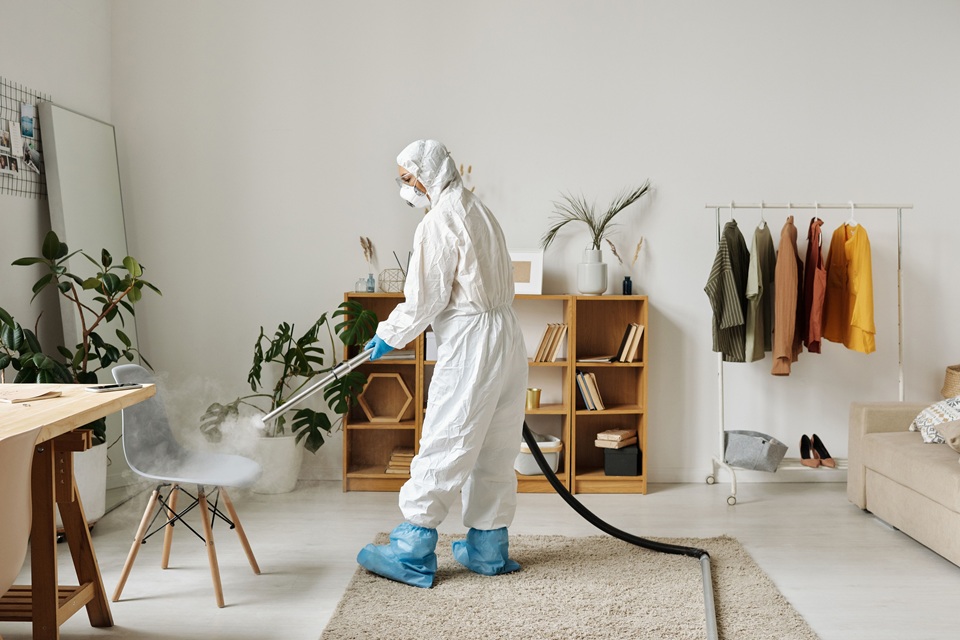
Despite best efforts, sometimes an infestation persists. At this point, bringing in a professional familiar with Chicago’s pest challenges is a smart move. Experts have access to advanced detection and targeted treatments that can tackle even the toughest infestations. Whether you are dealing with a stubborn bed bug problem in an apartment building or a family of raccoons in the attic, local professionals have the training and experience to resolve issues while keeping your family safe and healthy.
Pest prevention in Chicago requires vigilance, cleanliness, and proactive care. With a mix of do-it-yourself steps and access to seasoned local professionals, you can protect your home and maintain comfort throughout all of Chicago’s seasons.